

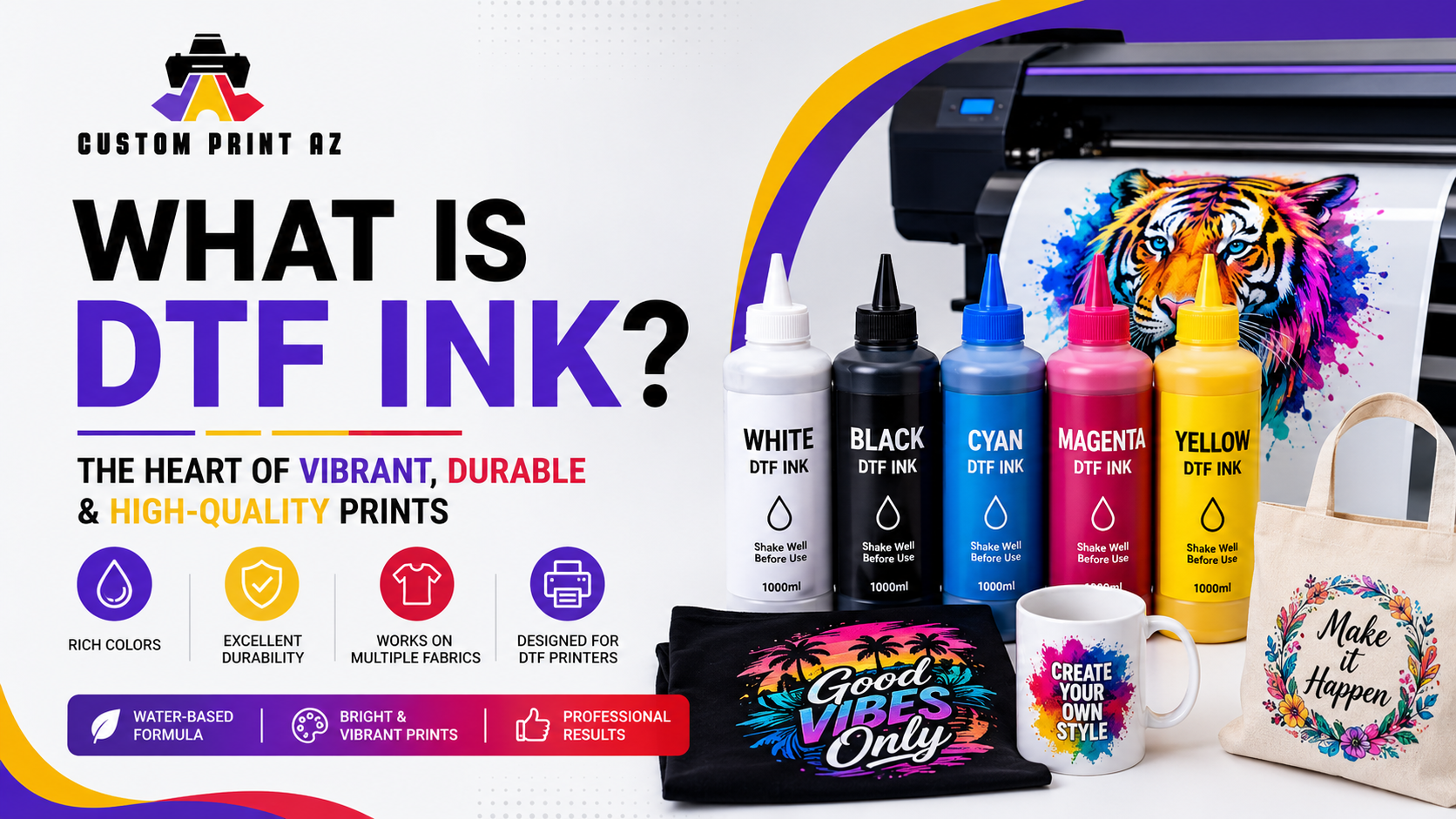
The garment decoration landscape is shifting rapidly. Traditional methods like screen printing and Direct-to-Garment (DTG) face stiff competition. A breakthrough alternative has taken center stage across the globe. This methodology is known as Direct-to-Film printing.
At the center of this technological breakthrough lies a specialized fluid. This fluid is known as DTF ink. Without it, the entire process fails to function. Understanding this formulation is essential for modern print shops, custom apparel brands, and textile enthusiasts alike.
This comprehensive guide explores the deep mechanics of DTF inks. We will analyze their chemical composition, structural physics, and application profiles. We will also help you master troubleshooting, production workflow optimization, and long-term cost calculations.
Table of Contents
- 1. Understanding the Core Concept of DTF Ink
- 2. The Chemistry and Formulation of DTF Inks
- 3. The Role of White DTF Ink and Titanium Dioxide
- 4. Step-by-Step Production Process with DTF Ink
- 5. DTF Ink vs. DTG, Sublimation, and Screen Printing
- 6. Critical Physics: Viscosity, Surface Tension, and Clogging
- 7. Environmental Impact, Safety, and OEKO-TEX Certification
- 8. Troubleshooting Common DTF Ink Failures
- 9. Storage, Shelf Life, and Maintenance Routines
- 10. Maximizing Quality with Premium DTF Tools
1. Understanding the Core Concept of DTF Ink
Direct-to-Film ink is a highly specialized, aqueous inkjet formulation. Engineers designed it exclusively for digital textile decoration. It does not print directly onto fabrics like older systems do.
Instead, this specialized ink prints directly onto a translucent film wrapper. This carrier layer is known as a polyethylene terephthalate, or PET film. The film acts as a temporary vessel for your custom graphic design.
Once the design hits the film, a hot-melt adhesive powder is applied. This powder bonds perfectly to the wet ink layer. Heat activates this composite matrix, turning it into a flexible transfer patch.
A standard heat press machine applies the final patch onto the garment. This step transfers the design permanently into the fabric weave. The transfer provides high resolution, crisp details, and rich color depth.
For more insights on ready-to-press graphics, explore premium DTF transfers. Using professional transfers eliminates internal printing bottlenecks completely.
Key Takeaway: DTF ink is engineered to stay wet on PET film until an adhesive powder is added. It requires specific physical properties to ensure clean lines, zero bleeding, and stable transfer performance.
2. The Chemistry and Formulation of DTF Inks
DTF inks are pigment-based liquid systems. They rely on advanced aqueous dispersion chemistry. They contain structured chemical building blocks mixed into a pure water base.
Unlike old dye inks that dissolve fully, pigments stay suspended as tiny solid particles. This structural difference offers excellent UV resistance, high color density, and crisp edge clarity.
Carrier Liquid (Water Base)
Deionized water forms the fundamental base of the ink matrix. It usually makes up 50% to 70% of the liquid's total volume. It carries all other ingredients safely through printhead nozzles.
Organic Pigment Dispersions
Specialized organic pigments supply the vibrant CMYK colors. Cyan, magenta, yellow, and black pigments are milled into sub-micron sizes. This extreme milling prevents mechanical blockages in printhead nozzles.
Humectants and Co-solvents
Chemical humectants like glycerol or ethylene glycol prevent drying. They lower the evaporation rate at the nozzle tip. This keeps the liquid moving smoothly during long production cycles.
Polymeric Binders
Polyurethane resins form the core structural binder. This component bonds the pigment securely to the melted adhesive powder. It provides wash durability, elasticity, and crack resistance.
3. The Role of White DTF Ink and Titanium Dioxide
White ink is the foundation of the entire digital transfer process. It serves a crucial dual purpose. It provides a solid opaque background and acts as a glue layer for the adhesive powder.
Without high-opacity white ink, custom designs would vanish on dark garments. Colored garments soak up translucent CMYK dyes, making graphics look dull or invisible.
White DTF ink relies heavily on Titanium Dioxide (TiO2). This mineral compound is highly valued for its intense white brightness and high refractive index.
However, titanium dioxide particles are heavy. They tend to settle at the bottom of ink tanks over time. This settling can lead to severe clogs in delicate inkjet systems.
Titanium dioxide has a high density of roughly ρ = 4.23 × 10³ kg/m³. This makes it much heavier than water. Because of this, white ink needs constant physical agitation or automated circulation. Regular mixing keeps the particles suspended and prevents severe printhead clogs.
To avoid these settling issues, top-tier printing setups use automated white ink circulation systems. These systems continuously pump the white ink to stop sediments from forming.
4. Step-by-Step Production Process with DTF Ink
Achieving pristine garment prints requires following a precise, sequential production workflow. Skipping steps alters the ink chemistry and ruins your final wash durability.
Step A: Digital Design and RIP Optimization
Artists generate crisp artwork files in vector format. Then, specialized Raster Image Processor (RIP) software converts these files. The software mirrors the design and separates it into CMYK and White print channels.
Step B: Depositing CMYK and White Ink
The specialized digital printer applies the ink layers onto the PET film. It applies the colored CMYK inks first. Then, it immediately prints a thick layer of white ink directly over the colors.
Step C: Powder Application
The wet film passes through an automated powder shaker or manual station. TPU hot-melt powder coats the wet ink design. The powder clings only to the wet ink areas, leaving unprinted film clean.
Step D: Heat Curing
The coated film goes into a specialized curing oven or under a heat press. Temperatures range from 110°C to 130°C for 2 to 3 minutes. The heat melts the powder into a uniform, gelatinous layer.
Step E: Thermal Heat Transfer
The cured film is placed onto the target fabric. A commercial heat press applies flat pressure at 150°C for 15 seconds. This fuses the design permanently into the textile fibers.
For custom print shops looking to bypass these production steps, buying pre-made transfers is an ideal option. Check out CustomPrintAZ to order vibrant, commercial-grade prints delivered straight to your shop.
5. DTF Ink vs. DTG, Sublimation, and Screen Printing
Choosing the right textile decoration technology requires careful comparison. Every method has distinct advantages based on fabric type, color palette, and production volume.
| Performance Feature | Direct to Film (DTF) | Direct to Garment (DTG) | Dye Sublimation | Plastisol Screen Printing |
|---|---|---|---|---|
| Fabric Compatibility | Cotton, Polyester, Blends, Nylon, Leather | 100% Cotton preferred | 100% White Polyester only | All major fabrics |
| Initial Setup Cost | Moderate to Low | High Investment | Low Entry Cost | High Setup/Low Unit Cost |
| Feel / Hand Texture | Thin, flexible skin | Ultra-soft, zero feel | Completely invisible | Thick, heavy shield |
| Color Stretch / Elasticity | Exceptional recovery | Moderate cracking risk | Flawless stretch | Prone to splitting over time |
DTF ink provides unmatched versatility. It works beautifully across various fabrics, including cotton, polyester, canvas, and leather. Unlike dye sublimation, it prints vibrant colors on dark fabrics without losing quality.
6. Critical Physics: Viscosity, Surface Tension, and Clogging
Industrial printing inks must operate within strict physical limits. Digital printhead nozzles use tiny piezoelectric crystals. These crystals fire millions of microscopic droplets per second.
Fluid dynamic viscosity must remain between 3.0 and 6.0 centipoise (cP) at standard operating temperatures. If the ink becomes too thick, the internal crystals cannot eject the droplets reliably.
Surface tension is equally critical. It must stay between 28 and 35 dynes/cm. Proper surface tension prevents the ink from spreading too wide on the slick PET film layer.
If surface tension drops too low, colors bleed together, blurring fine details. If it runs too high, the ink droplets bead up, creating gaps in solid colors.
7. Environmental Impact, Safety, and OEKO-TEX Certification
Modern consumers demand eco-friendly apparel production. Print shops must verify that their raw materials meet global safety standards. This ensures safety for both staff and end consumers.
High-quality DTF inks should feature formal OEKO-TEX ECO PASSPORT certification. This independent verification confirms the ink is free from harmful toxins like formaldehyde, heavy metals, and alkylphenol ethoxylates.
Curing ovens also produce airborne fumes as the TPU powder melts. Shops must install active carbon filtration systems or external ventilation pipes. Proper ventilation keeps workspace air clean and safe.
8. Troubleshooting Common DTF Ink Failures
Even professional print shops encounter production challenges. Knowing how to troubleshoot ink issues quickly minimizes material waste and keeps production on schedule.
Issue A: Color Bleeding and Fine Line Distortion
This occurs when CMYK inks mix before stabilizing on the film. It happens when room humidity climbs above 60%. To fix this, use a dedicated dehumidifier to keep your workspace stable between 40% and 50% humidity.
Issue B: Complete Design Separation or Cracking After Washing
If graphics peel off after washing, the powder did not cure correctly. Check your heating equipment with an infrared thermometer. Ensure your oven reaches a true 120°C across the entire heating element.
Issue C: Ink Starvation and Bands in Solid Prints
Horizontal lines indicate micro-clogs within the printhead nozzles. Run a digital nozzle check through your control software. Perform a targeted vacuum purge to clear air bubbles out of the dampener lines.
9. Storage, Shelf Life, and Maintenance Routines
Proper storage maximizes your ink investment and prevents chemical degradation. Unopened CMYK inks usually last 12 to 24 months when stored in climate-controlled spaces.
White ink has a much shorter shelf life of 6 months. Its high titanium dioxide content makes it break down faster. Store all inks away from direct sunlight at temperatures between 18°C and 25°C.
Daily Print Shop Maintenance Routine:
1. Gently shake the white ink tanks for 30 seconds every morning.
2. Print a small nozzle check pattern to verify fluid paths are clear.
3. Wipe the capping station clean with specialized cleaning solution.
4. Run a wet wipe across the printhead perimeter to clear lint build-up.
10. Maximizing Quality with Premium DTF Tools
Sourcing high-grade inks, films, and powders is the secret to building a successful custom apparel brand. Subpar materials yield scratchy prints that crack after a few wash cycles.
Partnering with a trusted supplier guarantees consistent quality across every batch. It ensures your final apparel products look professional and stand up to daily wear.
Ready to upgrade your custom apparel production? Discover the complete range of vibrant, durable printing solutions at CustomPrintAZ. Take your garment decoration business to the next level today!
""" # Write the HTML string to a file with open("dtf_ink_seo_guide.html", "w", encoding="utf-8") as f: f.write(html_content) # Convert the HTML file to a beautifully styled PDF document using WeasyPrint HTML("dtf_ink_seo_guide.html").write_pdf("dtf_ink_seo_guide.pdf") print("Files generated successfully.")


