

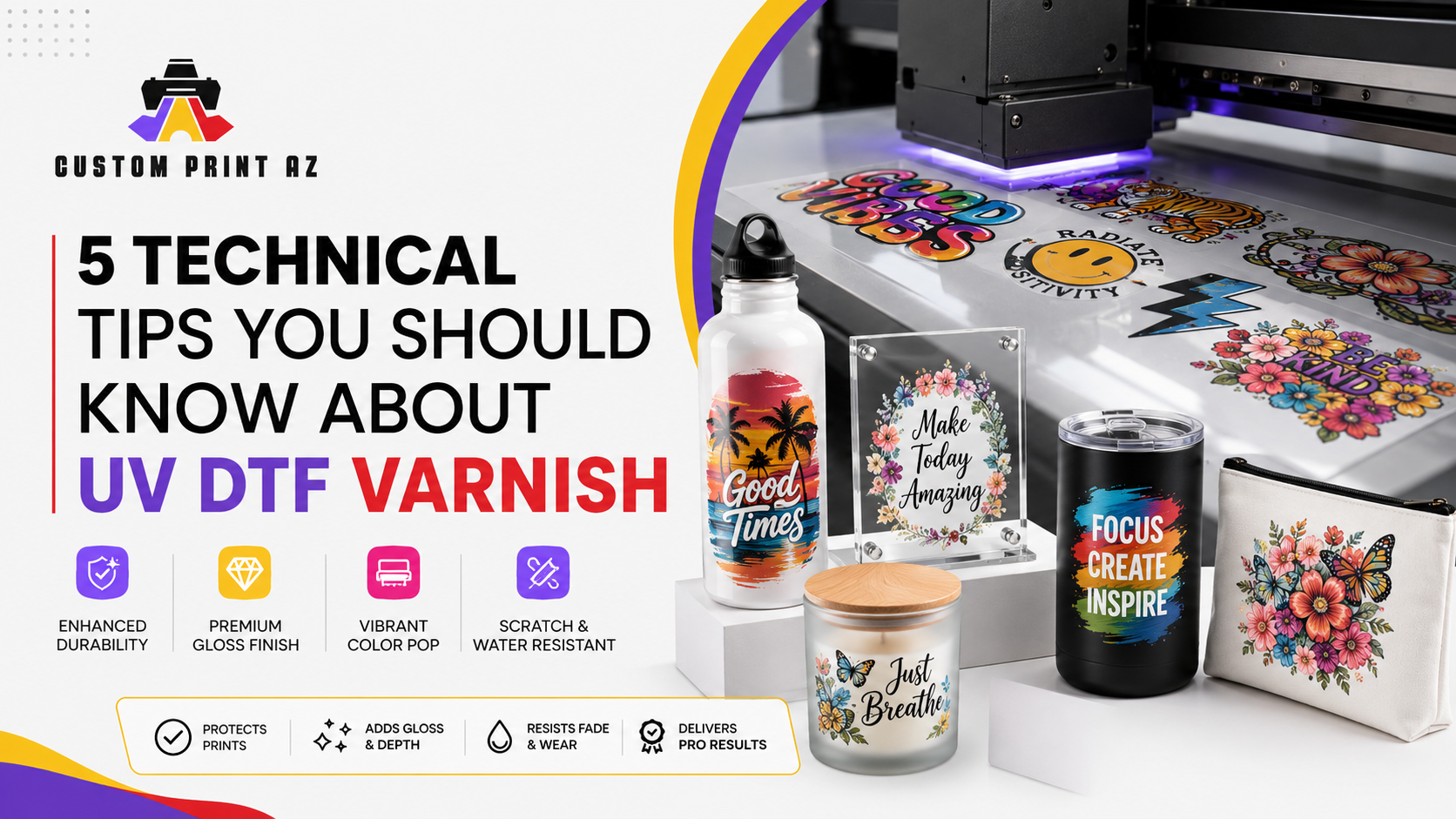
5 Technical Tips You Should Know About UV DTF Varnish
UV DTF technology has transformed the custom branding landscape. Adding a varnish layer is the secret to achieving a premium, tactile finish.
If you want to elevate your production, understanding how to handle UV DTF Ink - Varnish is essential. Let’s dive into five technical tips to master this process.
1. Proper Curing is Critical
Varnish requires precise UV light exposure. Under-curing leads to a sticky surface that attracts dust and debris.
Always ensure your UV lamp intensity matches the varnish specifications. Consistent curing ensures the final decal is scratch-resistant and durable.
2. Optimizing Layer Thickness
The varnish layer acts as a protective shield. However, applying it too thick can cause cracking during application on curved surfaces.
Start with a thin, uniform layer. You can learn more about the properties of varnish here to better understand how it behaves under stress.
3. Surface Preparation Matters
Varnish provides an excellent finish, but it cannot fix a dirty substrate. The decal bonds best to clean, non-porous surfaces.
Use isopropyl alcohol to wipe down your items before application. This simple step drastically improves the long-term adhesion of your UV DTF prints.
4. Manage File Transparency
When designing, ensure your varnish layer is mapped correctly in your software. Only apply it where you want the 3D, glossy effect.
Over-saturating your design with varnish can increase costs and printing time. Precision in your file setup leads to more efficient production cycles at Custom Print AZ.
5. Monitor Temperature and Humidity
UV varnish can react to environmental conditions. High humidity might cause the ink to become cloudy or affect its flow rate.
Keep your printing environment climate-controlled. Stable conditions ensure your varnish maintains its perfect clarity and gloss levels every time.
Frequently Asked Questions (FAQ)
Q: Does varnish make the decal water-resistant?
A: Yes, the varnish layer provides an additional barrier against moisture and environmental wear.
Q: Can I apply varnish to all surfaces?
A: UV DTF with varnish is designed for hard, non-porous surfaces like glass, plastic, and metal.
Q: How do I store the unused ink/varnish?
A: Store it in a cool, dark place away from direct sunlight to prevent premature curing.
Mastering these tips will help you create high-end custom products that stand out. For professional-grade supplies, visit Custom Print AZ today.


