

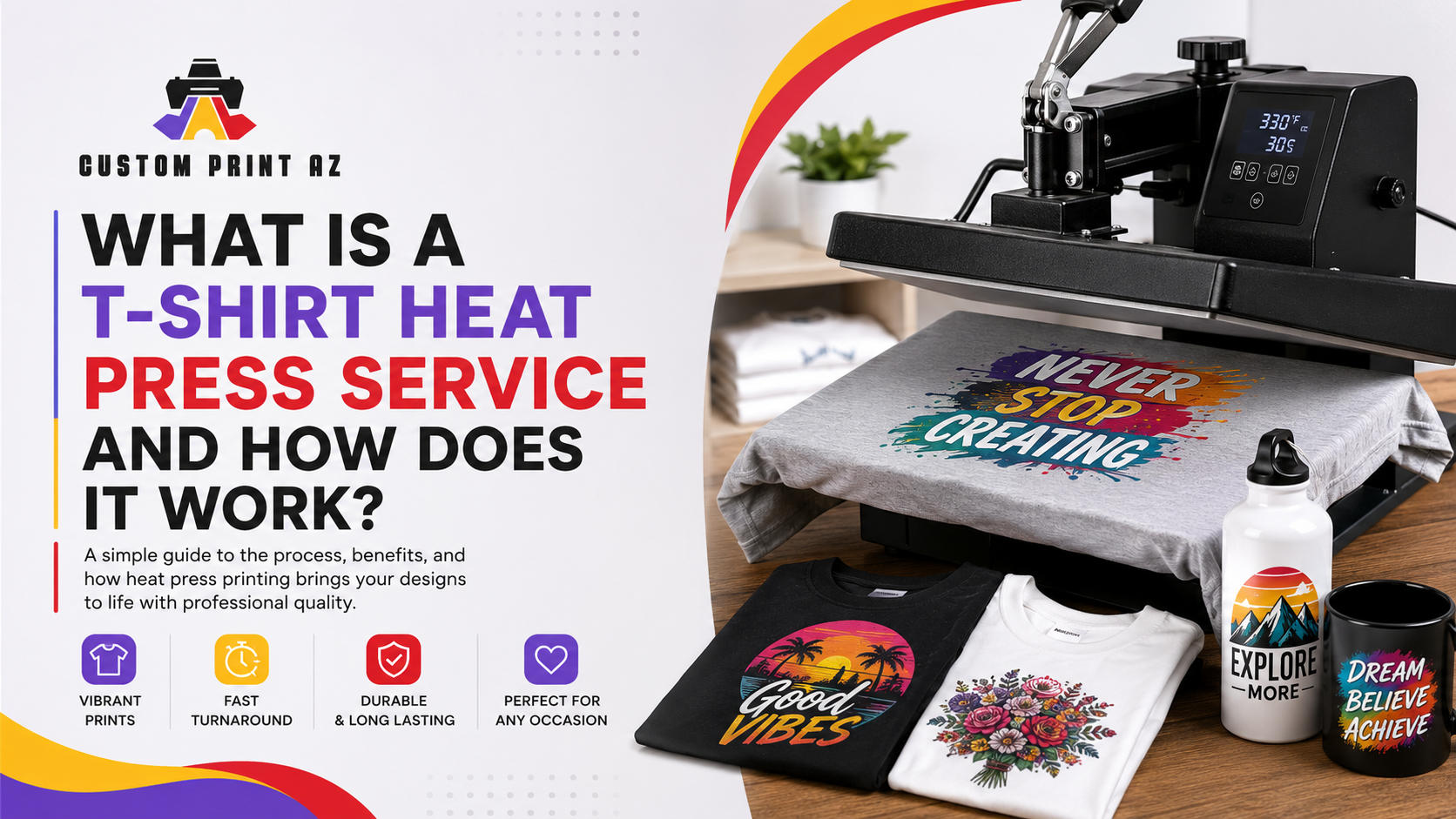
What is a T-Shirt Heat Press Service and How Does It Work?
The custom apparel industry has experienced unprecedented growth over the last decade, driven by the rising demand for personalized fashion, corporate branding, and unique event merchandise. At the heart of this revolution is the professional T-Shirt Heat Press Service, a highly reliable and versatile printing method that transforms digital designs into wearable art. Whether you are an independent clothing designer launching a new fashion line, a business owner creating team uniforms, or an individual planning a memorable family reunion, understanding how heat press technology works can help you make informed decisions for your apparel projects. This comprehensive guide explores the mechanics, benefits, applications, and material considerations of professional heat press services to show you how this method delivers retail-ready results.
The Core Advantage of Professional Heat Pressing
While small hobbyist machines exist for home crafts, a commercial-grade T-shirt heat press service utilizes heavy-duty pneumatic machinery. This equipment ensures perfectly calibrated pressure, precise temperature control, and industrial-grade dwell times, guaranteeing that your custom graphics will never peel, crack, or fade prematurely in the wash.
Deconstructing the Heat Press Service Concept
At its fundamental level, a heat press service involves the application of heat and controlled pressure over a specific duration to bond a design onto a fabric substrate. The process relies on premium transfer mediums—such as plastisol transfers, custom vinyl film, or direct-to-film (DTF) graphics—that feature a specialized heat-activated adhesive backing. When exposed to the intense, uniform temperature of a commercial heating plate, this adhesive layer liquefies, penetrates deep into the woven fibers of the garment, and solidifies as it cools to create a permanent bond. This engineering concept is deeply rooted in modern textile manufacturing and graphic replication workflows.
Unlike traditional methods like screen printing, which require complex stencil chemical processing and lengthy setup times for every individual color, heat pressing allows for fast setup and excellent multi-color accuracy. This flexibility makes it the ideal production method for on-demand fulfillment, variable data printing, and intricate photographic designs. By choosing a professional production partner, you gain access to high-capacity equipment capable of maintaining consistent quality across large volumes, turning digital concepts into tangible merchandise with exceptional efficiency.
The Mechanical Principles: How a Heat Press Works
To fully appreciate the quality of a commercial apparel print, it helps to understand the three core mechanical variables that operators manage during production. These variables are temperature, pressure, and time. Each parameter must be precisely adjusted according to the specific garment material and the transfer medium being applied. If any of these factors are miscalculated, the transfer may fail to bond properly, leading to structural separation during subsequent laundry cycles. For historical context on how these thermal mechanics evolved from early commercial graphics, you can explore the comprehensive article on Wikipedia's Heat Press History.
Temperature control is arguably the most sensitive variable in the entire operation. Commercial machines utilize thick aluminum platen grids filled with closely spaced heating elements to eliminate cold spots across the surface. Pressure regulation is equally critical; pneumatic or hydraulic cylinders apply thousands of pounds of force across the platen, ensuring the liquefied adhesive locks perfectly with the fabric weave. Finally, electronic timers measure the dwell time down to fractions of a second, preventing the delicate synthetic fibers of the garment from scorching while ensuring complete adhesive activation.
| Production Variable | Standard Range | Critical Role in Apparel Longevity |
|---|---|---|
| Temperature Control | 275°F to 350°F (135°C to 175°C) | Melts the specialized adhesive backing without scorching or damaging delicate fabric fibers. |
| Pressure Application | Firm to Heavy (40 to 60+ PSI) | Forces the liquefied ink or vinyl film deep into the weave of the textile substrate. |
| Dwell Time Duration | 7 to 20 Seconds | Ensures complete heat activation across the design area before cooling and setting. |
| Peel Temperature | Hot, Warm, or Cold Peel | Determines whether the carrier sheet should be removed immediately or after cooling. |
Step-by-Step Production Workflow of a Professional Service
When you submit an order to a premier custom shop, your apparel undergoes a structured, quality-controlled assembly workflow. This meticulous process ensures that every finished garment meets strict retail quality standards before leaving the facility. If you are ready to start planning your next apparel project, you can book a professional, commercial-grade T-Shirt Heat Press Service to ensure your custom apparel is executed with industrial precision.
The standard operational procedure within a professional printing environment consists of the following essential manufacturing phases:
1. Graphic Preparation and Optimization
The production process begins in the digital pre-press department, where graphic designers inspect your uploaded artwork files. Digital files are converted into high-resolution formats, color-corrected for textile output, and mirrored if required by the specific transfer medium. The graphics are then printed onto premium release carriers or precision-cut using high-speed digital plotters, creating a pristine design layer ready for physical application.
2. Garment Pre-Pressing and Dehumidification
Before applying the graphic, operators place the blank garment onto the lower platen of the press for a brief pre-pressing cycle lasting 3 to 5 seconds. This critical step eliminates residual moisture trapped within the cotton or polyester fibers and flattens out any manufacturing wrinkles. Removing this invisible moisture barrier is essential, as trapped steam can create tiny bubbles underneath the adhesive layer, which may cause premature peeling later on.
3. Precision Alignment and Spatial Nesting
The prepared transfer sheet is carefully positioned on the garment using laser alignment grids or specialized heat-resistant measuring templates. This ensures the graphic is perfectly centered and placed at the ideal distance from the collar line, avoiding crooked or off-center placements. Experienced operators secure the layout with heat-resistant tape to prevent shifting when the heavy upper heating platen is brought down.
4. Thermal Compression and Solidification
The pneumatic arm engages, bringing the heated platen down upon the garment with immense, uniform force. The digital control unit tracks the time precisely. Once the timer finishes, the press opens automatically or is manually disengaged by the operator. The garment is then allowed to rest according to the carrier's cooling instructions—either peeled hot for high efficiency or allowed to cool completely to ensure fine lines remain securely attached.
Comparing Custom Methods: Heat Press vs. Screen Printing
Choosing the right decoration method depends largely on your design's complexity, the garment material, and the total order quantity. While screen printing remains a popular standard for massive bulk orders with simple, single-color logos, heat press services offer distinct technical and financial advantages for modern custom apparel workflows. Understanding these key differences allows you to optimize your production budget effectively.
Screen printing requires creating a separate mesh screen for every individual color in your artwork, resulting in high setup costs that make short production runs impractical. In contrast, a modern heat press service utilizes full-color digital transfers, allowing you to print complex multi-color designs, gradients, and fine details without paying separate screen setup fees. Additionally, heat-pressed designs offer incredible color consistency across production batches, ensuring that the last shirt printed looks exactly as vibrant and sharp as the very first piece off the line.
Fabric and Substrate Compatibility Guide
Modern garment manufacturing utilizes a wide range of natural and synthetic textiles, which means a professional heat press service must adapt its techniques to match each unique material. Not all fabrics respond to heat and compression in the same way, so selecting an experienced production team is vital to avoiding scorched fabrics or ruined designs.
- 100% Combed Cotton: The ideal substrate for heat pressing. Cotton handles high temperatures exceptionally well and features porous fibers that absorb liquid adhesives beautifully, creating an ultra-durable bond.
- Polyester and Performance Blends: These synthetic materials require specialized low-temperature transfers. High heat can cause dye migration—where the fabric color bleeds into the white ink of the graphic—or leave shiny scorch marks on the garment. Professional services use specialized barrier inks and lower temperatures to protect these delicate synthetic fibers.
- Nylon and Waterproof Fabrics: Standard adhesives cannot cling effectively to water-repellent treatments. For windbreakers and rain jackets, operators utilize heavy-duty nylon-specific adhesives thatchemically bite through the exterior coatings to establish a long-lasting hold.
Long-Term Care and Maintenance for Heat-Pressed Apparel
While an industrial heat press service provides exceptional wash durability and scratch resistance, following proper care instructions will significantly extend the life of your customized clothing. Taking a few simple precautions during laundry cycles protects the design layer and keeps the fabric looking brand new for years.
Always turn your custom garments inside out before placing them in the washing machine. This simple step creates a protective fabric barrier that prevents zippers, buttons, and abrasive textures from rubbing against the printed design. Wash your custom apparel in cold or lukewarm water using mild detergents, and avoid harsh bleaching agents or fabric softeners that can break down the adhesive over time. When it comes to drying, line drying is the safest choice; however, if you must use a mechanical dryer, select a low-heat tumble cycle to prevent thermal stress along the edges of your graphics. Finally, never iron directly over the printed design layer, as the intense direct heat can instantly liquefy the adhesive and ruin your artwork.
Conclusion: T-Shirt Heat Press
Partnering with a professional T-shirt heat press service is one of the most efficient, cost-effective, and reliable ways to produce stunning custom apparel. By balancing temperature, pressure, and time, this versatile method bridges the gap between digital creativity and high-quality textile production. Whether you are creating casual corporate wear or starting your own independent fashion brand, professional thermal compression ensures your custom designs look amazing and stay securely bonded through countless adventures and wash cycles. Bring your creative assets together, select your ideal blank garments, and experience the exceptional quality and convenience of a professional apparel heat press service today.


