
Skip to content

3411 E Corona Ave #108, Phoenix, AZ 85040

info@customprintaz.com

+1(480) 250 42 63

SAME DAY PRINT!
Sign Up 15% OFF Your First Order
Orders over $99 Free Shipping
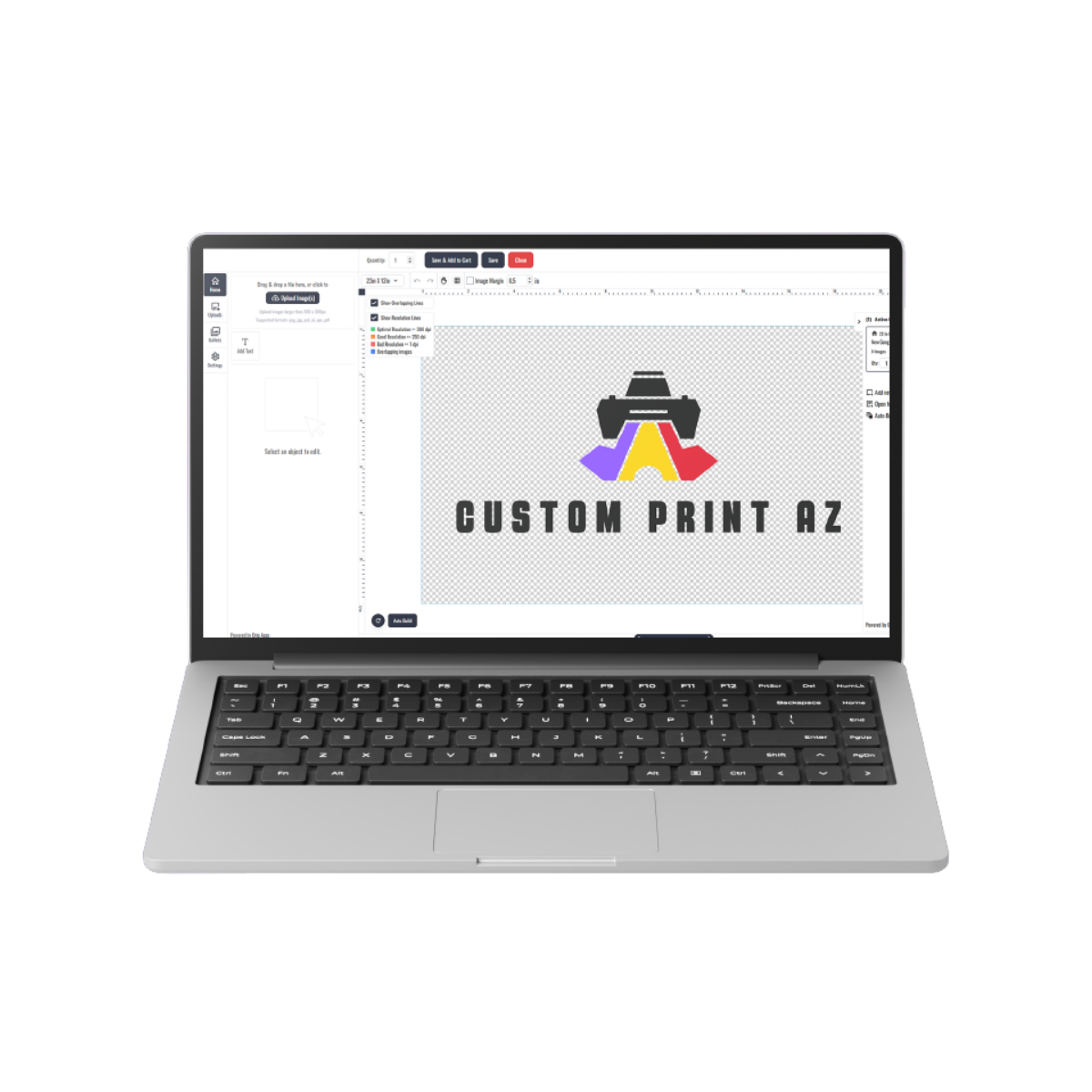
DTF Gang Sheet Builder

DTF Gang Sheet Builder

Regular price From $0.01
Sale price From $0.01 Regular price
Local Pickup & Shipping
Build DTF Gang Sheet

Build DTF Gang Sheet

Regular price From $0.01
Sale price From $0.01 Regular price
Local Pickup & Shipping
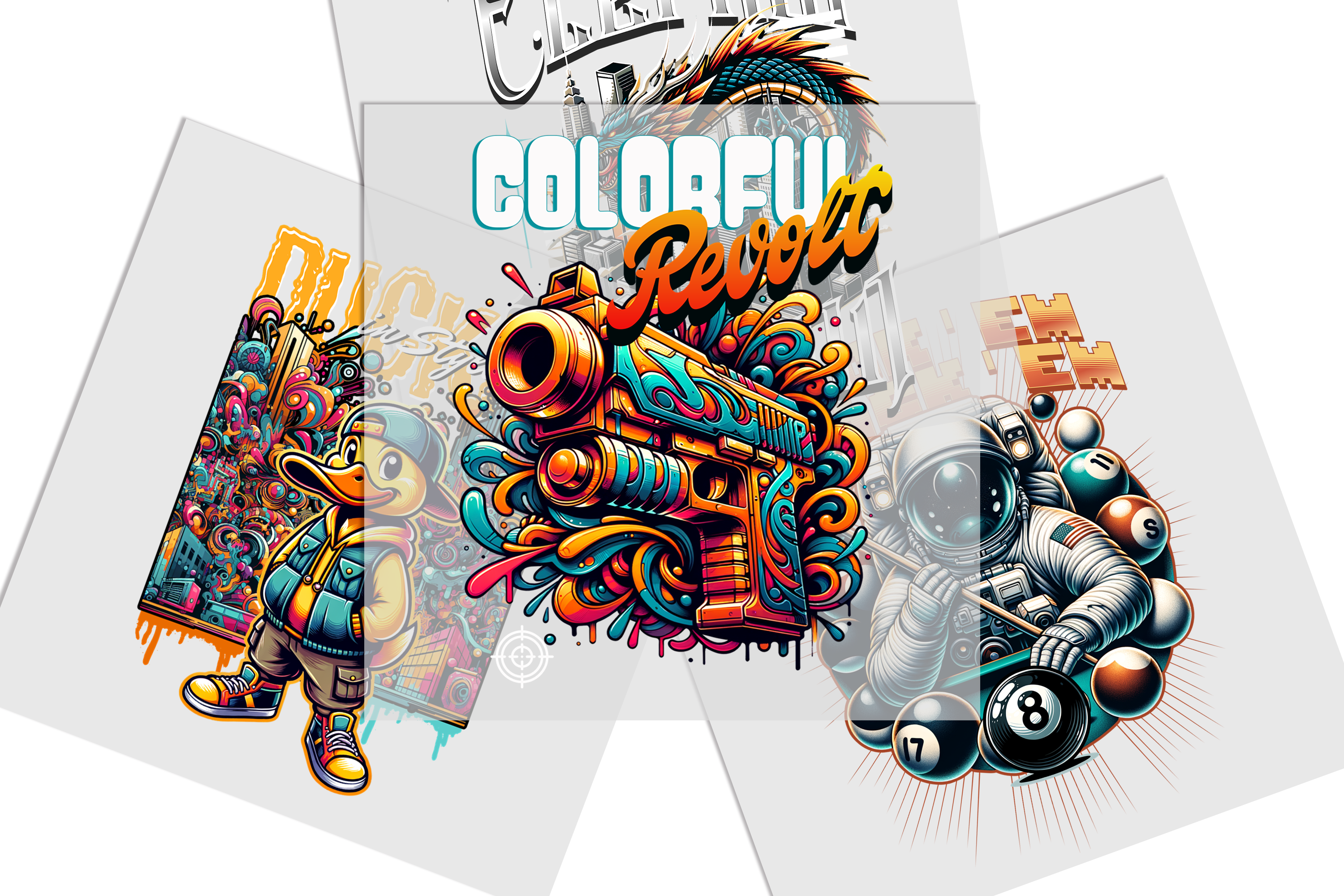
DTF Transfers by Size

DTF Transfers by Size

Regular price From $0.01
Sale price From $0.01 Regular price
Local Pickup & Shipping

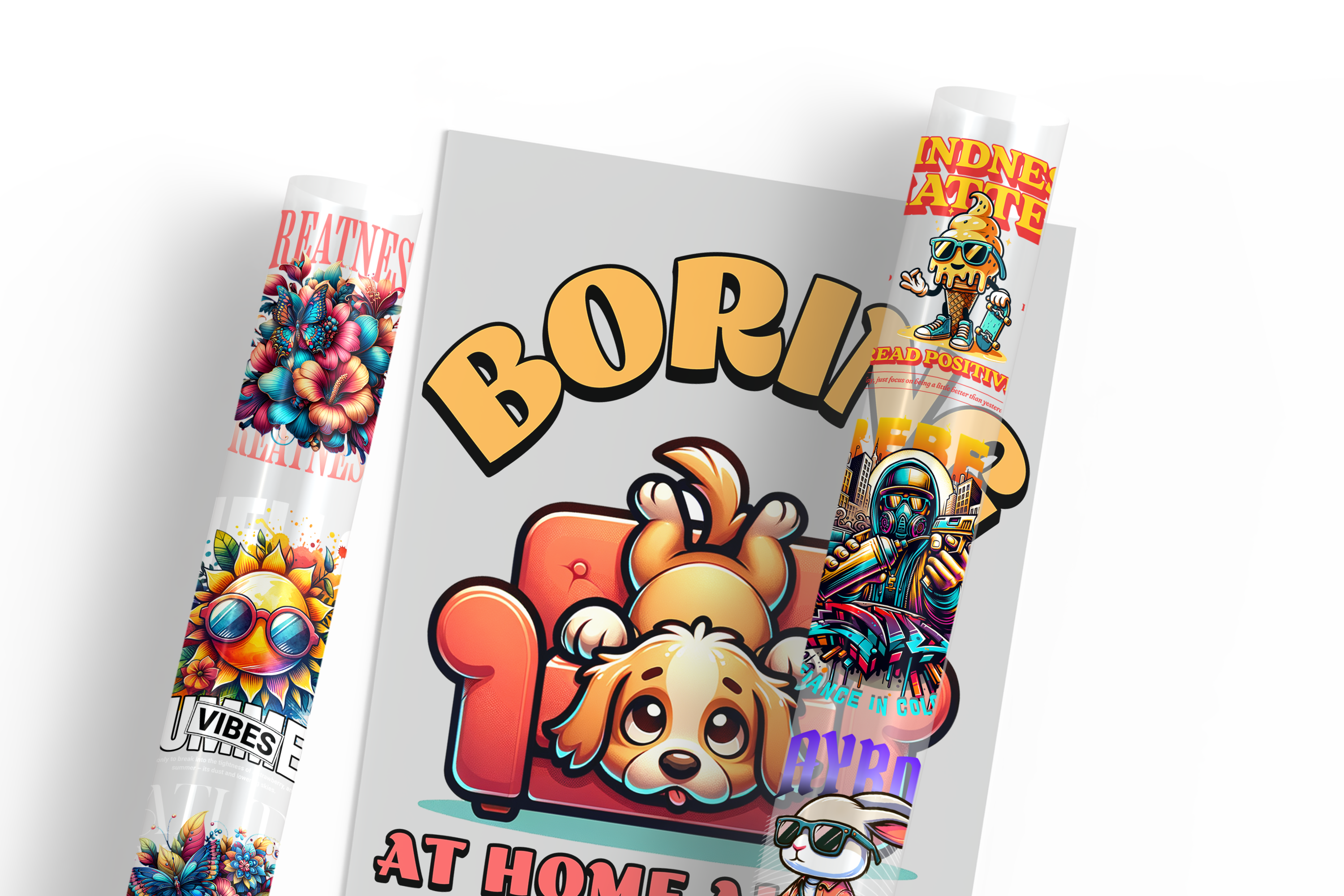
DTF Transfers: The Ultimate Solution for High-Quality Garment Decoration

In the dynamic world of apparel customization, DTF Transfers (Direct-to-Film) have emerged as a revolutionary force. This technology has fundamentally changed how businesses and hobbyists approach garment printing. Unlike traditional methods that require complex setups or limited fabric choices, DTF offers a universal solution. It provides vibrant colors, incredible durability, and a soft-hand feel that rivals high-end retail prints. Whether you are printing on dark cotton, bright polyester, or tough nylon, DTF Transfers deliver professional results with minimal effort.

By utilizing high-density pigment inks and a specialized adhesive backing, these transfers create a permanent bond with the fabric. This ensures that your designs do not crack, peel, or fade, even after dozens of industrial wash cycles. It is the perfect bridge between the high volume of screen printing and the digital precision of DTG.


What Makes DTF Transfers Superior?

To understand why thousands of print shops are switching to this method, we must look at the technical advantages. DTF Transfers solve the most common "pain points" found in the printing industry.

1. Universal Fabric Compatibility

One of the greatest strengths of DTF is its versatility. Most digital printing methods, such as Sublimation or DTG, are restricted to specific materials. Sublimation requires high-polyester content, while DTG works best on 100% cotton. DTF Transfers, however, can be applied to almost any heat-resistant surface. This includes cotton, polyester, blends, canvas, leather, and even treated wood. This flexibility allows you to expand your product line without investing in multiple types of machinery.

2. High-Opacity White Ink Layer

Printing on dark garments has always been a challenge for digital printers. Many methods result in "dye migration," where the fabric color leaks into the design. DTF Transfers utilize a thick, opaque white ink under-base. This layer acts as a barrier, ensuring that your colors remain bright and true, regardless of the shirt's color. Even neon and pastel shades pop perfectly on jet-black hoodies.

3. Exceptional Durability and Stretch

DTF is famous for its "stretchability." Because the ink is integrated with a specialized hot-melt adhesive powder, the final print is extremely flexible. If you stretch the fabric, the design stretches with it and snaps back into place without cracking. This makes it the ideal choice for performance wear, sports jerseys, and spandex-based clothing.


The Technical Process: From Film to Fabric

Achieving a professional-grade transfer requires a precise chemical and mechanical process. Each step is vital for the final quality of the garment.

Digital Printing on PET Film

The process begins by printing your design in reverse onto a translucent PET film. High-quality systems, like the P604 4-Head DTF Printer, use industrial printheads to spray microscopic ink droplets. This ensures sharp details and smooth gradients that are impossible to achieve with screen printing.

Adhesive Powder Application

While the ink is still wet, a TPU (Thermoplastic Polyurethane) adhesive powder is applied to the film. This powder only sticks to the inked areas. The powder is then cured using a heat press or a specialized oven. This curing process turns the powder into a solid, glue-like layer that will later bond with the fabric fibers.

Heat Press Transfer

The final step is the heat press application. The film is placed onto the garment and pressed at a specific temperature (usually around 150°C to 160°C) for 10 to 15 seconds. Once the film is peeled away, the design is permanently fused to the material.


Optimizing Your Production with Professional Hardware

To produce high-quality DTF Transfers consistently, your hardware must be maintained to industrial standards. Small components play a massive role in the final output quality.

  • Precision Printing: The Epson i3200-A1 Printhead is widely considered the best in the industry. It provides the speed and resolution needed for commercial success.

  • Stable Media Path: Large rolls of film can drift during long print runs. A Film Stabilizer System ensures that your designs stay perfectly centered, preventing wasted material.

  • Proper Sealing: To prevent ink from drying and clogging your nozzles, a high-quality Capping Station is essential. It creates the airtight seal necessary for daily maintenance and head cleaning.


Cost-Efficiency and Profitability

For business owners, DTF Transfers offer a highly attractive ROI (Return on Investment).

  1. Low Startup Costs: You don't need a massive darkroom or expensive screen-burning equipment. A printer, a heat press, and a small curing oven are all you need to start.

  2. No Weeding Required: Unlike HTV (Heat Transfer Vinyl), there is no manual weeding involved. Even the most complex, "floating" text designs are transferred instantly. This saves hours of labor on every order.

  3. Space-Saving Storage: You can print hundreds of transfers and store them in a drawer. They take up very little space. You only apply them to the shirts when you receive an order, which reduces the need for large blank garment inventories.


Signs of a High-Quality Transfer

Not all transfers are created equal. When inspecting your work, look for these professional indicators:

  • Smooth Surface: The print should feel thin and smooth to the touch, not like a thick "sticker."

  • Clean Edges: There should be no "halos" or adhesive residue around the edges of the design.

  • Color Accuracy: The colors on the fabric should match the digital file exactly, with no muddy or dull tones.

  • Wash Resistance: A high-quality DTF print should withstand 50+ washes without significant fading or edge lifting.

Feature DTF Transfer Standard
Ink Type Aqueous Pigment Ink
Film Type Cold/Hot Peel PET Film
Adhesive TPU Hot-Melt Powder
Press Temp 150°C - 165°C
Press Time 10 - 15 Seconds
Washability Excellent (Industrial Grade)

Conclusion: Why DTF is the Future

The shift toward DTF Transfers is more than just a trend; it is a fundamental improvement in garment decoration. By offering the ability to print any design on any fabric with retail-grade quality, it levels the playing field for small businesses. It allows for the mass production of custom apparel without the logistical nightmares of traditional printing methods.


Use premium inks formulated to achieve vibrant colors and high wash durability in your DTF prints. Browse our selection of clog-preventing pigment DTF Ink compatible with all your DTF machines and elevate your print quality now.

Order high-quality, ready-to-press prints in the exact size needed for your projects. From small chest logos to large back designs, explore all our DTF Transfers by Size options tailored for all your apparel items today.

Follow CustomPrintAZ for the latest updates, product launches, and printing tutorials.

Instagram | TikTok | YouTube

Contact Us