
How the DTF Process Works Direct to Film Transfer
Direct to Film Transfer technology has completely redefined the standards of the custom apparel industry. This innovative process involves printing designs onto a specialized PET film, applying an adhesive powder, and heat-pressing it onto a garment. Unlike traditional methods, it eliminates the need for complex screens or messy pretreatments. It offers a perfect balance between high-resolution digital detail and industrial-grade durability. This guide provides a comprehensive look at how this technology works and why it is the ultimate choice for modern print shops.
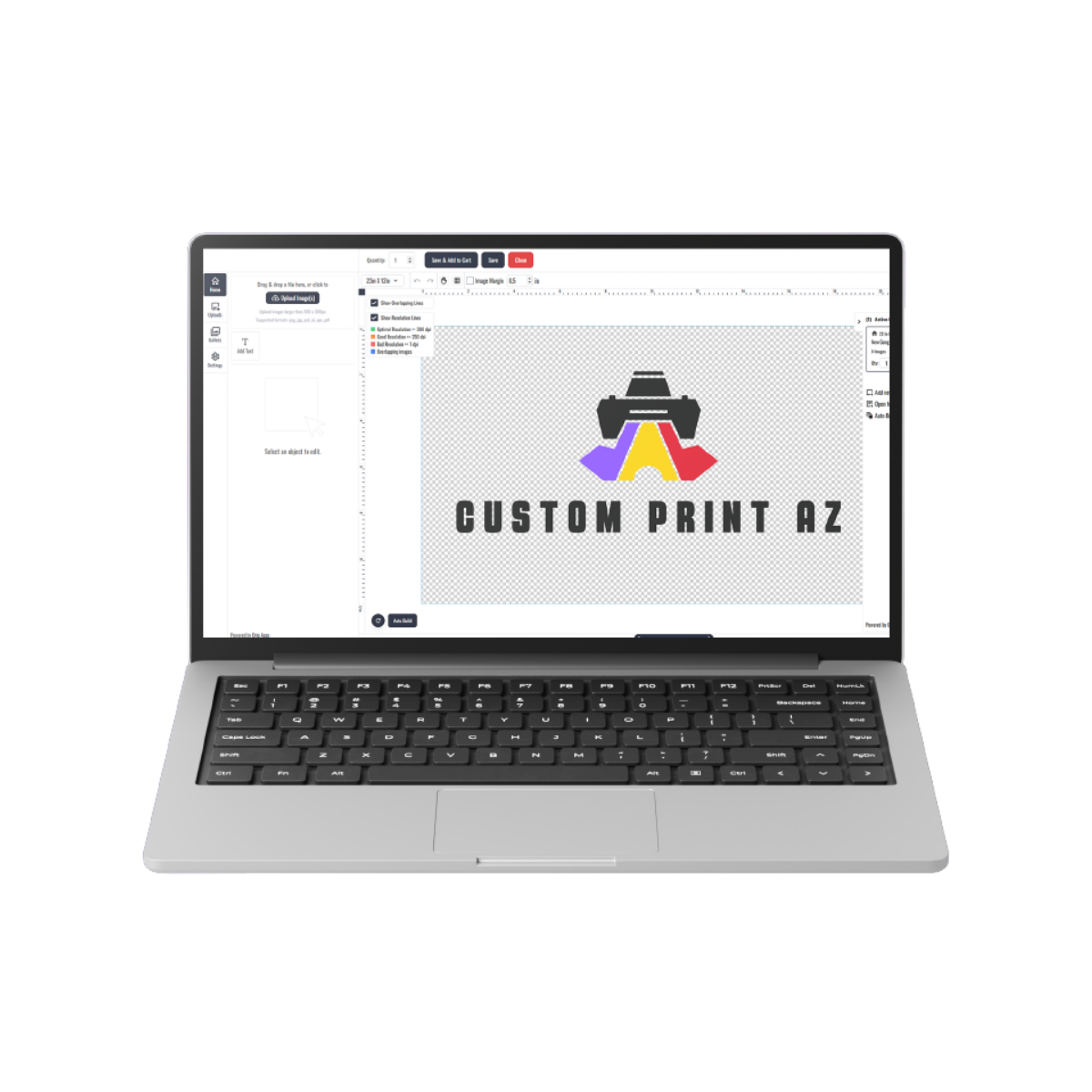
The journey of a Direct to Film Transfer begins with high-quality digital artwork. Using specialized RIP software, the printer mirrors the image and lays down a CMYK layer followed by a thick white ink base. This white layer acts as a primer, ensuring colors remain vibrant on any fabric color. The film then passes through an automatic shaker or a manual powdering station where TPU adhesive is applied to the wet ink.
Once powdered, the film enters a curing oven where the heat melts the adhesive into a uniform, tacky layer. This "cured" transfer can then be stored for future use or applied immediately to a garment. The final step involves a heat press, which uses thermal energy and pressure to bond the design to the textile fibers. The result is a sharp, flexible, and extremely durable graphic that looks and feels professional.
To achieve professional-grade results and protect your printer's long-term health, choosing high-quality consumables is essential. Our
Unmatched Versatility Across Fabrics Direct to Film Transfer
The most significant advantage of DTF is its ability to adhere to almost any substrate. Traditional DTG printing is largely limited to 100% cotton, and sublimation requires high polyester content. DTF breaks these barriers by working flawlessly on cotton, polyester, nylon, and treated leathers. This versatility allows businesses to expand their product lines without investing in multiple types of hardware.
Whether you are printing on rugged workwear or delicate performance polyester, DTF provides a consistent bond. It is the go-to solution for hats, bags, hoodies, and even umbrellas. Because the adhesive is a separate powder, it creates a bridge between the ink and the fabric that traditional liquid inks cannot match. This flexibility makes it a "universal" solution for the diverse needs of the custom garment market.
If you are looking for high-quality, pre-cut designs ready for application, check out our
Superior Print Quality and Detail Direct to Film Transfer
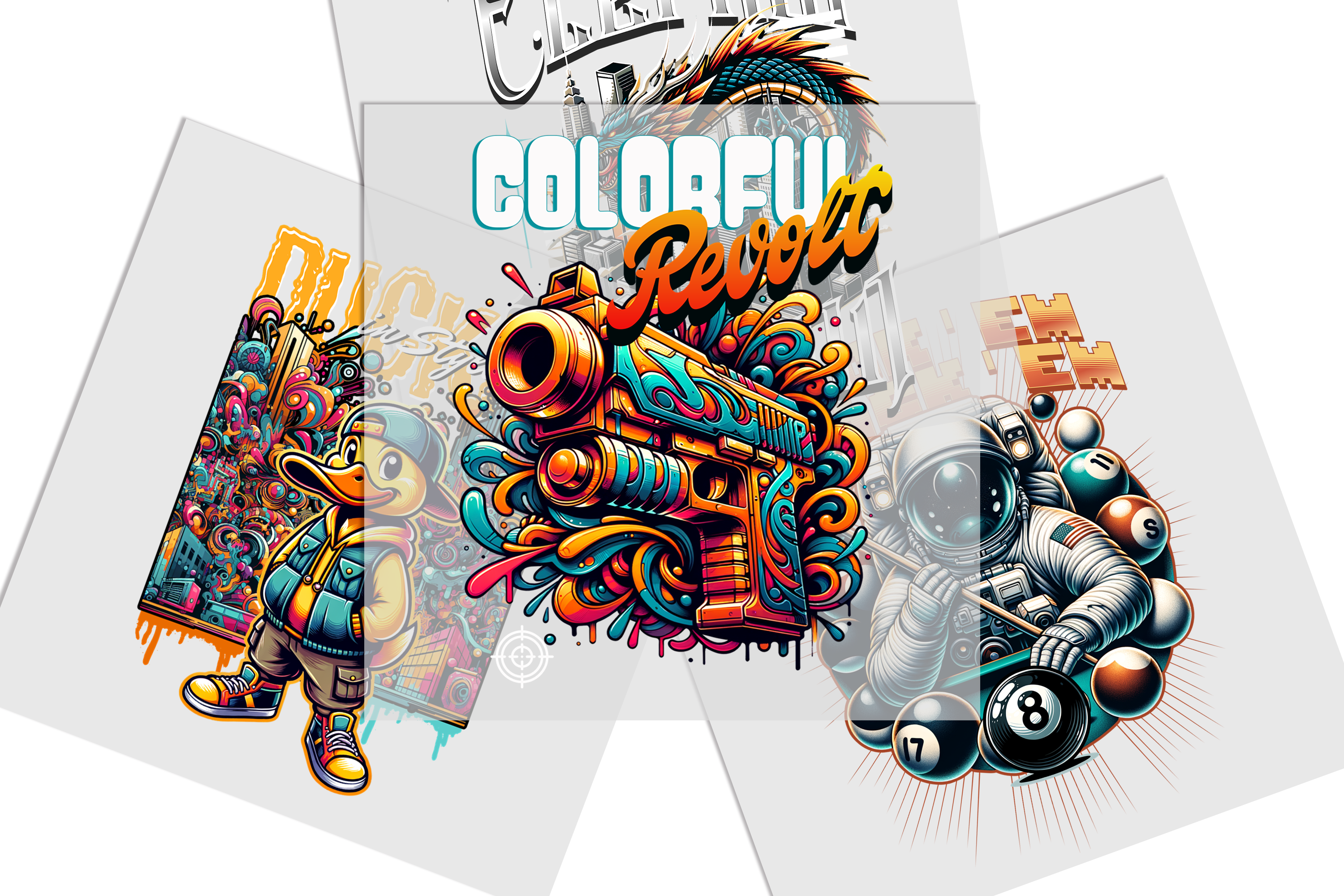
In the world of custom printing, detail is everything. Direct to Film Transfer technology allows for photographic quality with sharp edges and smooth gradients. It can handle intricate line work and small text that would be impossible to "weed" with traditional vinyl. The white ink underbase ensures that even the most complex designs remain opaque and bright against black fabrics.
The color gamut of modern DTF inks is exceptionally wide. You can achieve deep blacks, neon-bright yellows, and subtle pastel shades with ease. Because the ink is printed onto a smooth film rather than directly onto porous fabric, there is zero "ink bleed." This leads to a level of precision that rivals high-end offset printing. Your designs will look exactly the same on the garment as they do on your computer screen.
Durability and Wash Fastness Direct to Film Transfer
A common concern with heat transfers is how well they survive the laundry. DTF transfers are engineered to be incredibly resilient. The TPU adhesive creates a molecular bond that is both strong and flexible. This means the design can stretch with the fabric without cracking or peeling. It is the ideal choice for athletic apparel and garments that undergo frequent washing.
Most high-quality DTF prints can withstand over 50 industrial wash cycles without losing their color intensity. They are resistant to UV fading and do not become brittle over time. The "soft-hand" feel of the transfer also improves after the first wash, making it comfortable for the wearer. For brand owners, this durability translates to higher customer satisfaction and fewer returns.
Efficiency and Production Speed Direct to Film Transfer
DTF technology significantly streamlines the production workflow. By eliminating the pretreatment step required for DTG, you save time and reduce labor costs. A single operator can manage multiple printers and curing ovens simultaneously. This makes it a highly scalable solution for both small boutiques and large-scale fulfillment centers.
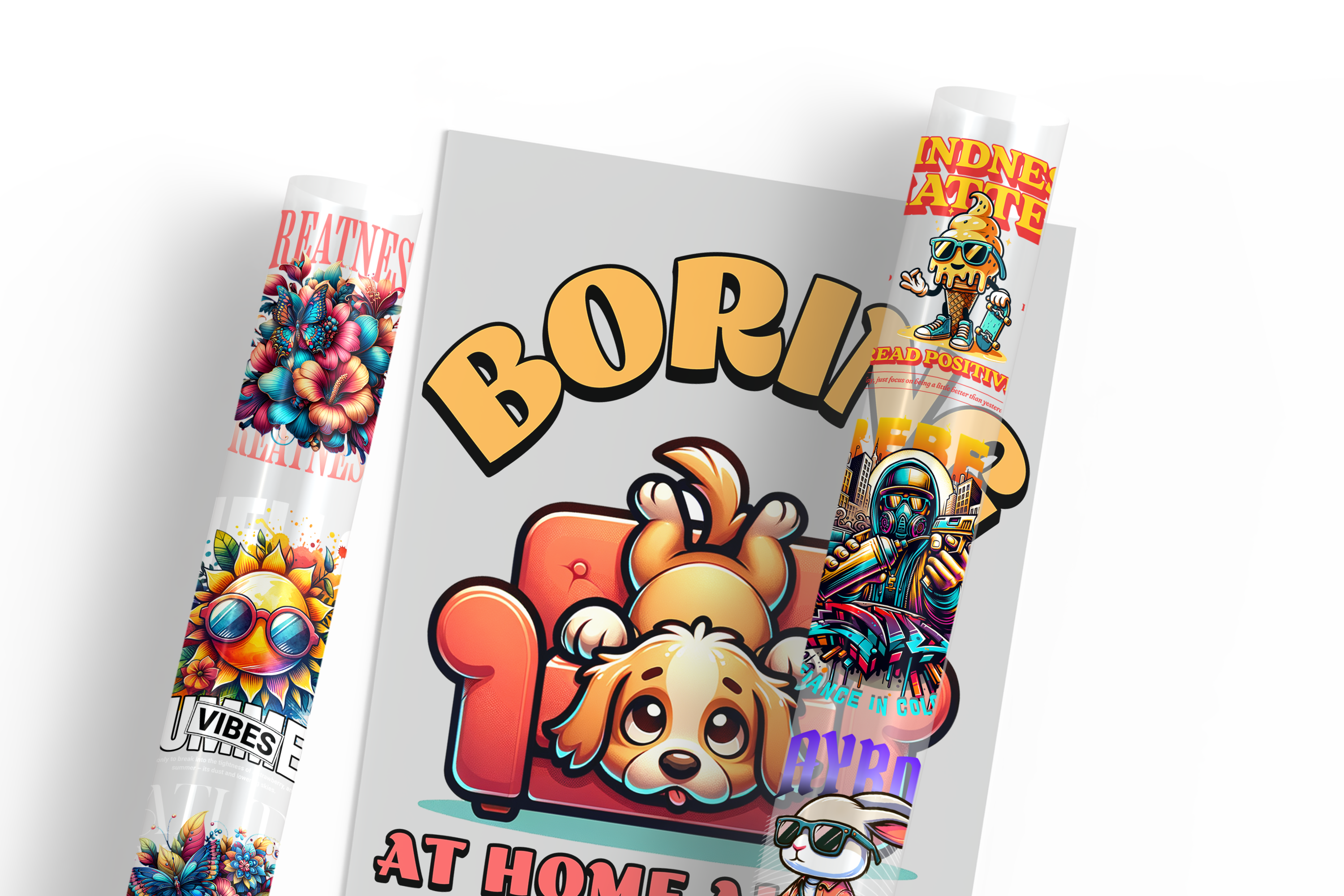
The ability to "gang" multiple designs on a single roll of film further increases efficiency. You can print dozens of different logos in one continuous run, minimizing film and ink waste. These rolls can be cut into individual transfers and stored in a cool, dry place for months. This allows you to print in bulk and press on demand, reducing your inventory of finished garments.
Cost-Effective for All Order Sizes
One of the reasons for the rapid adoption of DTF is its low cost of entry. It is much more affordable than industrial DTG machines and requires less setup than screen printing. This makes it highly profitable for small runs and "one-off" custom orders. You can print a single t-shirt for a customer with the same ease as a hundred.
The cost per print is also remarkably low. High-yield ink bottles and bulk rolls of film ensure that your material costs stay manageable. Because there are no screens to burn or chemicals to mix, your overhead is significantly reduced. DTF allows small businesses to compete with larger corporations by offering high-quality products at competitive prices.
Soft-Hand Feel and Breathability Direct to Film Transfer
Modern DTF transfers are designed to be thin and lightweight. When applied correctly, they offer a "soft-hand" feel that is comfortable against the skin. While large, solid blocks of ink will always have some weight, the use of halftoning techniques can make designs more breathable. This is a major improvement over the heavy, "plastic" feel of older heat transfer technologies.
The flexibility of the adhesive allows the design to move with the wearer. It doesn't feel like a stiff patch on the chest, which is a common complaint with thick vinyl. As the technology continues to evolve, films and powders are becoming even thinner and more integrated with the fabric. The result is a garment that feels as good as it looks.
Easy Maintenance and Reliability
While all digital printers require care, modern DTF systems are built for reliability. Features like white ink circulation and automated cleaning cycles prevent the common issue of nozzle clogs. Using high-quality inks and cleaning solutions ensures that your machine stays in peak condition. Regular maintenance takes only a few minutes a day but saves hours of troubleshooting.
Reliability is key to meeting tight deadlines and keeping customers happy. A well-maintained DTF system can run for hours without intervention. The components are designed for industrial use, meaning they can handle the heat and dust of a busy shop. Choosing a system with good technical support ensures that you are never left in the dark if a hardware issue arises.
Environmental and Safety Standards
As the industry moves toward sustainability, DTF is keeping pace. Many DTF inks are now water-based and free from harsh chemicals like phthalates. The adhesive powders are also being formulated to be more eco-friendly and safe for skin contact. This makes them suitable for printing on children’s clothing and organic textiles.
The process itself is relatively clean compared to traditional screen printing. There are no screens to wash out with chemicals and no large amounts of wastewater. Proper ventilation is still required to manage curing fumes, but the overall environmental footprint is smaller. Using a "green" workflow can be a strong marketing advantage for your brand in today's market.
Conclusion
The Direct to Film Transfer process is a true game-changer for the apparel decoration world. It combines the best of all worlds: the versatility of vinyl, the detail of DTG, and the durability of screen printing. By investing in high-quality equipment and consumables, you can produce retail-ready garments that exceed customer expectations.
Whether you are just starting out or looking to upgrade your existing shop, DTF offers a path to growth and profitability. It is a technology that rewards precision and creativity. Embrace the future of printing and discover how DTF can transform your business into a high-performance production powerhouse.
Stay connected with us for the latest product updates, printing tutorials, and behind-the-scenes content from our shop! You can follow Custom Print AZ on our official social media channels:
-
Instagram:
customprintazx -
YouTube:
@customprintaz -
TikTok:
@customprintaz
Follow us to join our community and never miss out on exclusive tips and new arrivals in the DTF world!