

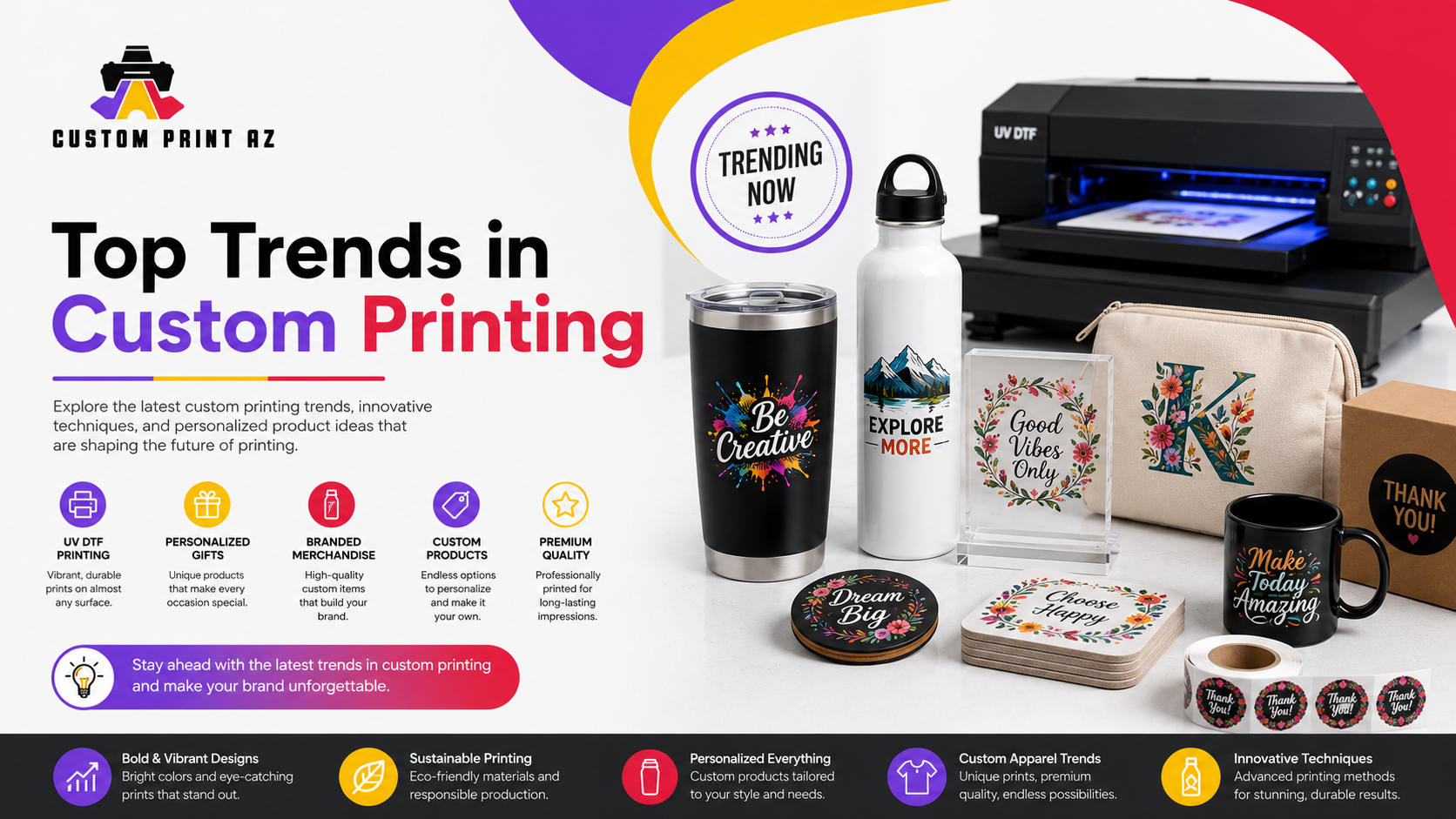
Top Trends in Custom Printing: How to Personalize Your Products Effectively
The garment decoration landscape is undergoing a massive paradigm shift. Consumers no longer accept basic, mass-produced clothing items. Modern buyers demand highly unique garments that reflect their personal values. This cultural shift forces custom apparel brands to adjust quickly.
Staying ahead of production changes requires adopting flexible manufacturing strategies. Modern digital workflows allow creators to print highly complex designs effortlessly. By embracing new machine systems, companies avoid expensive inventory overhead. This complete guide analyzes the top trends driving custom printing today.
Master Guide Table of Contents
- 1. The Unstoppable Rise of On-Demand Custom Personalization
- 2. Direct-to-Film Transfers: Redefining Multi-Fabric Application
- 3. Eco-Friendly Inks and Sustainable Apparel Production Logistics
- 4. Bold Color Maximalism and Complex High-Resolution Artworks
- 5. Integrating Print Workflows Effectively into Modern E-commerce
- 6. Comprehensive Substrate Matrix for Retail-Ready Finishes
- 7. Sourcing Elite Commercial Transfers for Seamless Business Scaling
1. The Unstoppable Rise of On-Demand Custom Personalization
Bulk printing models are rapidly disappearing from the modern fashion market. Storing thousands of identical pre-printed shirts creates massive financial waste. If styles change unexpectedly, businesses are left with unsold product stock.
On-demand manufacturing resolves this inventory problem completely. Brands now wait to print designs until a customer places an order. This strategy keeps corporate capital liquid and protects baseline profit margins.
Personalization increases consumer engagement and builds strong brand loyalty. Buyers naturally value custom-made clothing much higher than generic store products. To learn more about this global retail evolution, explore the history of mass customization on Wikipedia.
2. Direct-to-Film Transfers: Redefining Multi-Fabric Application
Direct-to-film machinery is completely transforming traditional textile production methods. Older digital systems like direct-to-garment require complex, wet chemical pretreatments. Furthermore, those older systems restrict your decoration options to natural cotton fabrics.
Film systems resolve these material limitations by utilizing specialized PET sheets. The artwork is printed onto a transparent film carrier sheet first. The machine applies vibrant colored inks before adding a clean white background layer.
An automated mechanism then applies a dry adhesive powder to the print. Passing through a curing tunnel melts this powder into a strong bond. This allows the finished transfer to fuse perfectly with almost any fabric type.
The Core Advantage of Film Technology
Film transfers bond beautifully to cotton, polyester, nylon, and heavy canvas. This flexibility allows apparel brands to scale catalogs without buying different machines. You can decorate hoodies, activewear, and bags using the exact same transfer sheets.
3. Eco-Friendly Inks and Sustainable Apparel Production Logistics
Modern consumers actively look for sustainable fashion options when shopping online. Traditional printing methods often rely on harsh chemicals that generate toxic waste. Moving toward water-based ink choices reduces environmental impact significantly.
Water-based digital inks provide vivid color execution without compromising environmental health. These modern formulations do not contain dangerous heavy metals or toxic solvents. As a result, garments remain safe for sensitive skin and children's apparel lines.
Additionally, digital on-demand printing cuts physical fabric waste down to zero. You only use power and materials when an active purchase occurs. This clean manufacturing methodology helps your brand meet modern sustainability standards easily.
4. Bold Color Maximalism and Complex High-Resolution Artworks
Minimalist, single-color logos are no longer dominating the streetwear market. Today's popular trends emphasize bright maximalism, complex shading, and photographic artwork. Achieving these looks requires exceptional print resolution and color accuracy.
Traditional screen printing cannot reproduce intricate gradients without expensive, complex setups. Digital systems build complex colors easily by mixing cyan, magenta, yellow, and black. This approach captures every subtle tone and fine shadow lines flawlessly.
Ensure your digital design files utilize a crisp resolution of 300 DPI minimum. High-resolution design assets guarantee sharp details on finished products. This careful preparation prevents blurry edges and keeps your clothing looking professional.
Trend Alert: Vibrant Neon Highlights
Modern apparel lines are heavily incorporating bright neon and reflective accents. High-grade digital systems can replicate these intense color spaces accurately. Using bright tones helps custom apparel stand out in competitive online markets.
5. Integrating Print Workflows Effectively into Modern E-commerce
Personalizing your products effectively requires building an automated online ordering pipeline. Manual order entry slows down shipping speeds and introduces costly processing mistakes. Your digital store should connect directly with your manufacturing software.
When a customer uploads custom artwork, the file enters production automatically. This setup cuts down on manual art checks and speeds up fulfillment. Fast processing keeps your customers happy and encourages repeat business.
Using digital gang sheets simplifies your fulfillment process even further. You can pack multiple customer orders tightly onto a single film roll. This high-density layout minimizes material waste and drops production costs dramatically.
6. Comprehensive Substrate Matrix for Retail-Ready Finishes
Every fabric style reacts differently to heat press temperature and pressure settings. To personalize your items effectively, you must understand these material differences. Let us analyze the ideal production settings for popular retail substrates.
| Fabric Material | Ideal Printing Approach | Application Temperature | Required Press Time |
|---|---|---|---|
| 100% Combed Cotton | Direct-to-Film Transfers | 300°F (Medium Pressure) | 12 to 15 Seconds |
| Athletic Polyester | Low-Temp Film Sheets | 275°F (Firm Pressure) | 10 to 12 Seconds |
| Heavy Canvas Bags | Industrial Film Rolls | 320°F (Heavy Pressure) | 15 Seconds Total |
| Nylon Windbreakers | Specialty Adhesive Film | 265°F (Light Pressure) | 8 to 10 Seconds |
Controlling these production variables protects your delicate fabrics from heat damage. Always test print on scrap material before starting a large production run. This habit keeps your quality consistent and prevents costly mistakes.
7. Sourcing Elite Commercial Transfers for Seamless Business Scaling
Building a successful custom printing brand requires a reliable production partner. Sourcing from an elite print house ensures beautiful colors and exceptional wash durability. Look for a team that utilizes industrial-grade equipment for every single run.
We highly suggest working with the digital garment specialists at Custom Print AZ. Their advanced production hub maintains strict quality benchmarks for every order. They make uploading your custom artwork files simple, straightforward, and fast.
You can browse their specialized print options directly from your browser. Explore their commercial catalog of high-durability DTF transfers online. This flexible system handles small custom family projects and large corporate apparel runs with equal precision.
Partnering with an industry leader streamlines your apparel manufacturing workflow perfectly. It eliminates the high cost of buying machinery and dealing with daily printhead maintenance. It leaves you free to focus entirely on building your custom apparel brand and connecting with your audience.
Supercharge Your Apparel Brand Production Effectively
Stop wasting valuable time and capital on restrictive printing methods that crack and fade. Switch to universal, high-efficiency custom gang sheets and decorate any fabric style with confidence today.
Partner with Custom Print AZ and view the professional DTF transfers collection now.
Order Your Custom Transfers Now

